Our Programs
Explore our key focus areas shaping sustainable communities across Malawi.
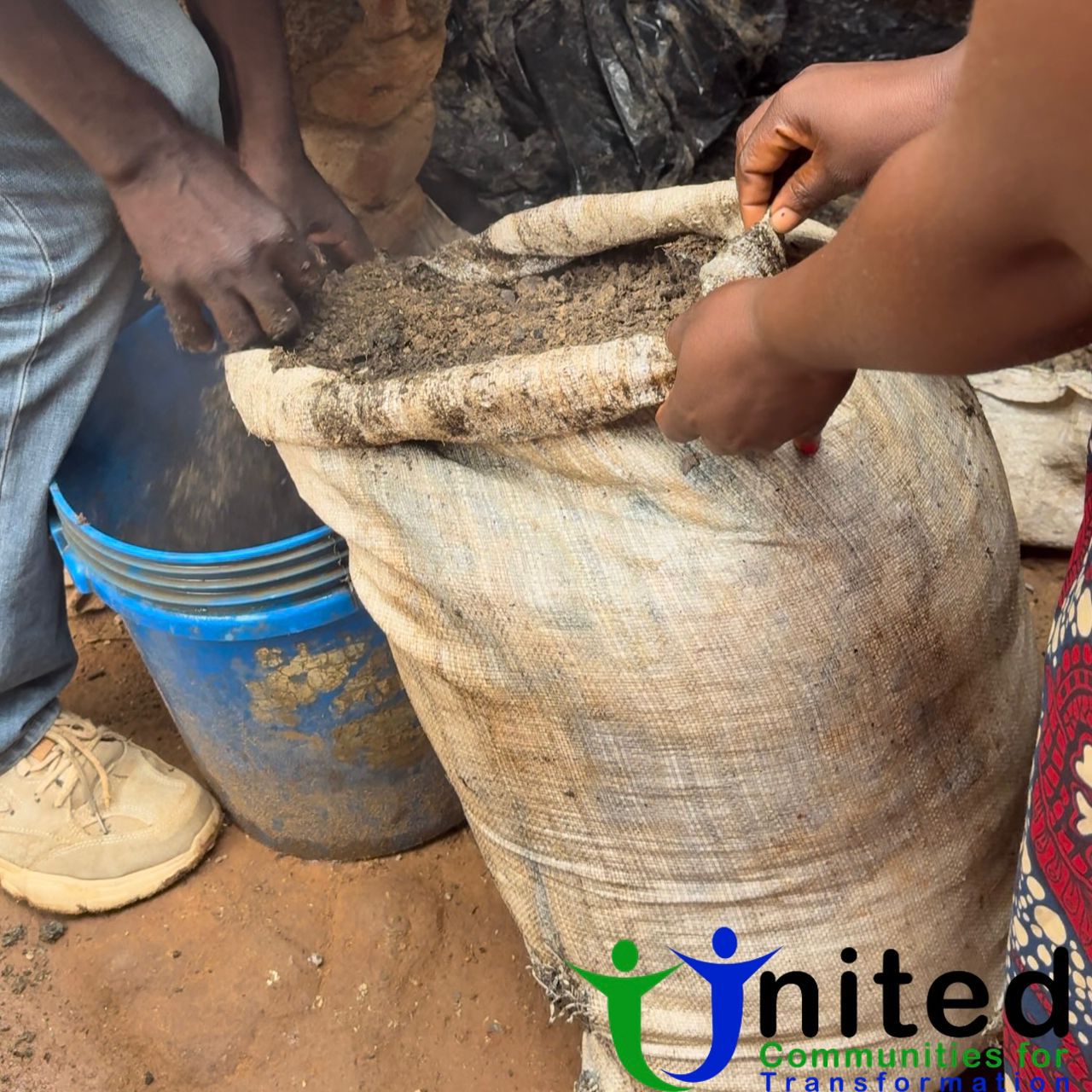
Ecosystem-Friendly Agriculture
Promoting organic farming, climate-resilient crops, and integrated land management to enhance soil health, biodiversity, and community food security.
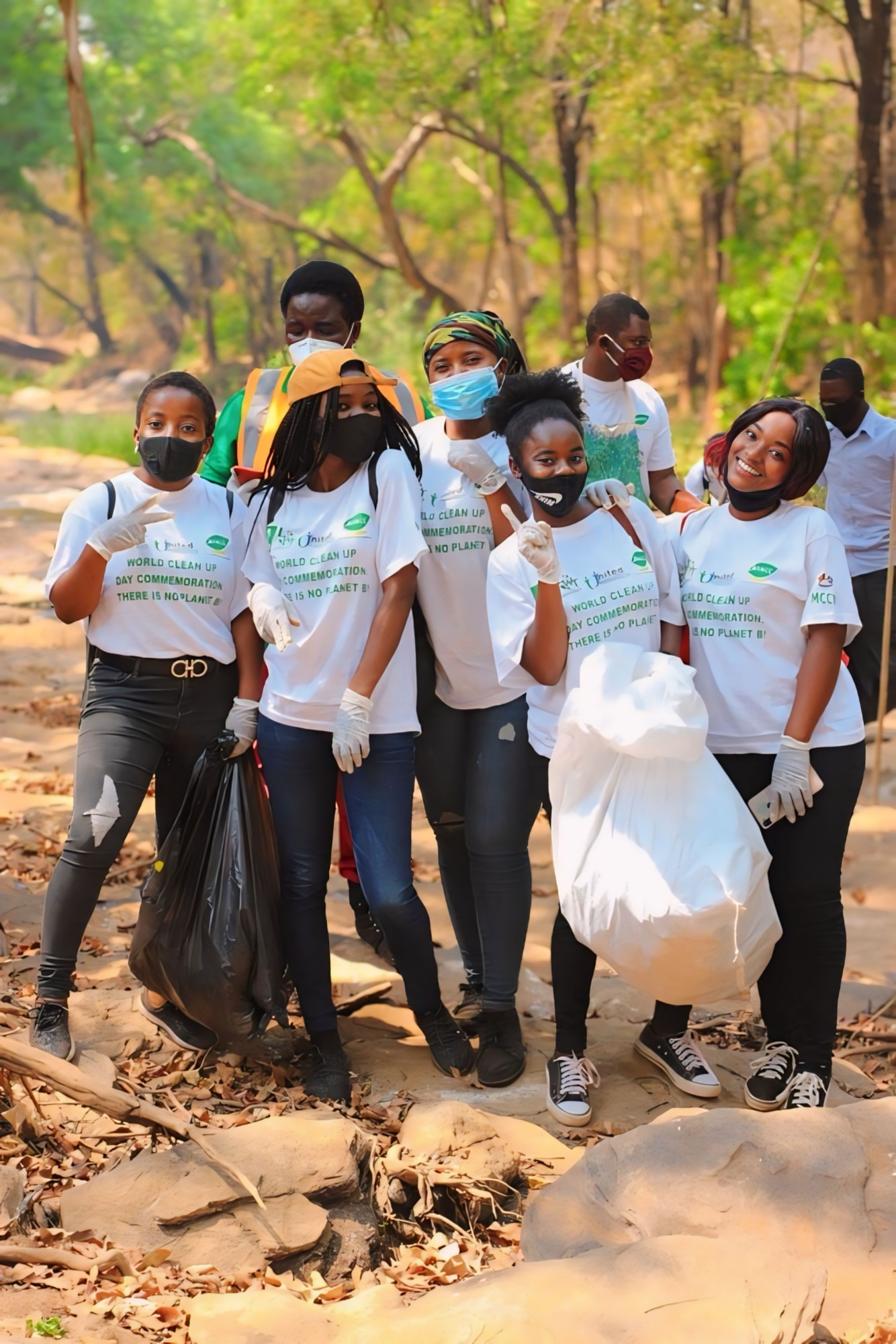
Sustainable Waste Management
Reducing waste generation, enabling circular economy solutions, and cleaning polluted environments to protect natural resources and public health.
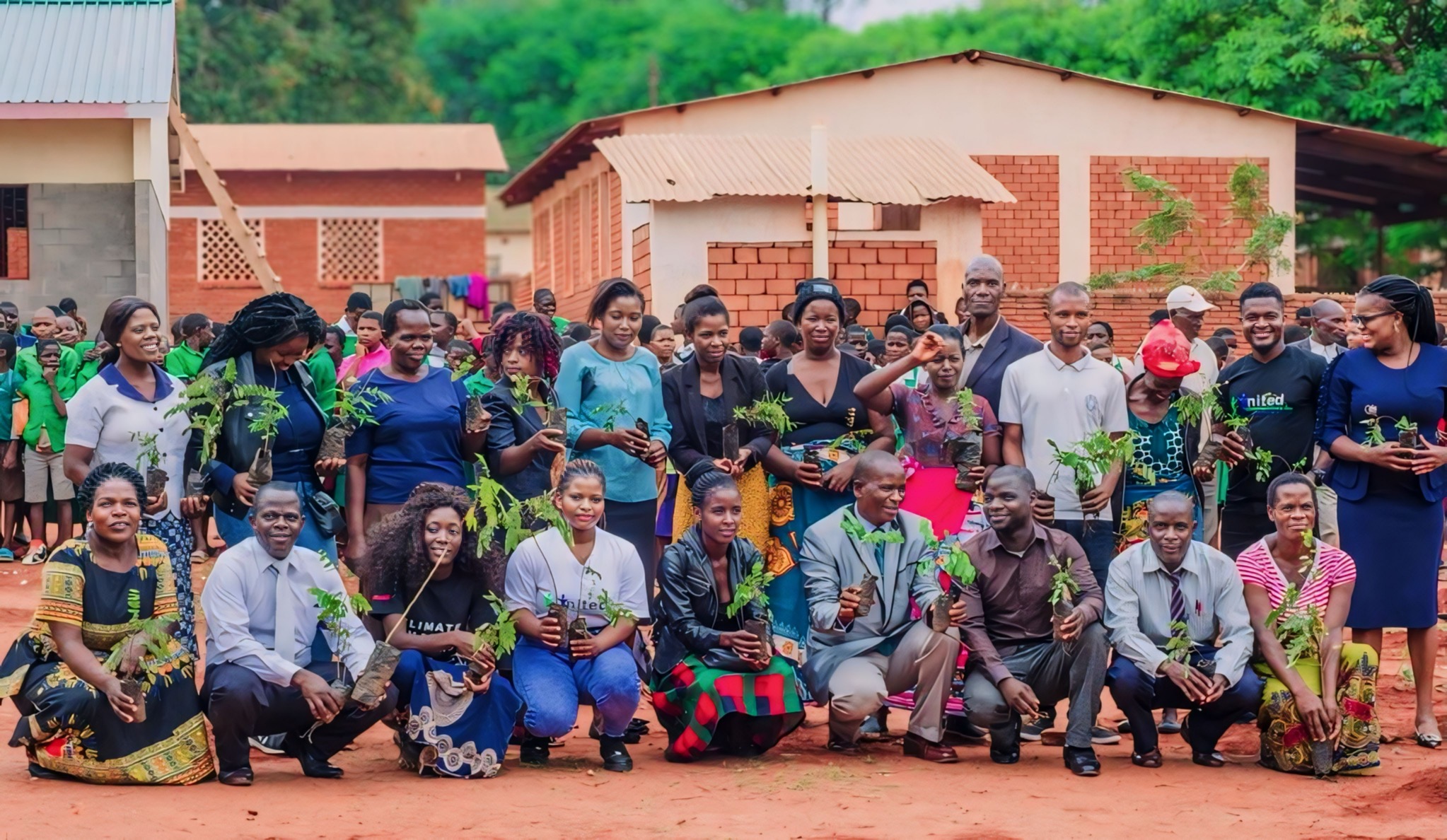
Climate Resilient Communities
Strengthening community-based adaptation strategies, restoring degraded lands, and raising climate change awareness to build long-term resilience.
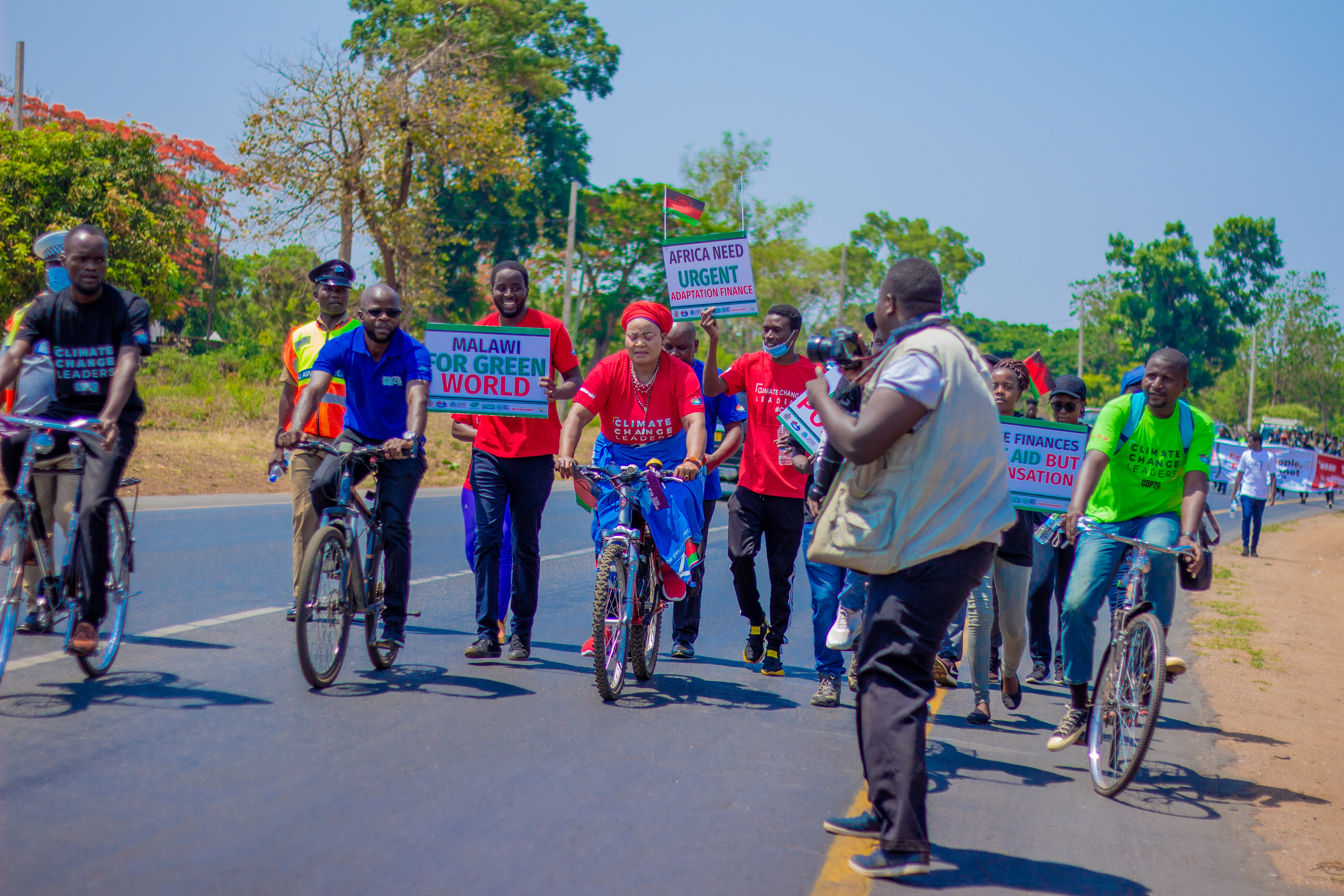
Environmental & Climate Justice Advocacy
Empowering marginalized communities to understand their environmental rights and advocate for equitable, sustainable policies and practices.
Project Overview
To find out more about our projects you can take a look at an overview and detailed description of each project below.
UNICOT trained 40 community members, especially women, to produce renewable energy from waste materials. These trainers now promote sustainable energy practices and help reduce deforestation through alternative fuel sources.
View Project DetailsUNICOT trained over 50 subsistence farmers in Kawale to produce organic fertilizer using urine, ash, and maize bran. Demonstration plots proved increased soil fertility and reduced dependence on harsh chemical fertilizers.
View Project DetailsIn December 2021, UNICOT planted 3,800 donated tree seedlings at Malingunde Primary School, involving local leaders, teachers, and 500 pupils. This effort combats deforestation, reduces flooding risk, and improves environmental resilience.
View Project DetailsOn 26 October 2021, UNICOT engaged the UK Embassy in Lilongwe to discuss climate justice, youth participation, and COP26 chairpersonship. This meeting strengthened dialogue on climate governance and inclusive policymaking.
View Project DetailsOur Alignment With the SDGs
UNICOT’s work aligns with several United Nations Sustainable Development Goals, advancing environmental conservation, climate resilience, and community empowerment.
.png)
.png)
.png)
.png)
.png)
.png)